Ocean Intelligence

A FORECAST MAP FOR OCEAN PLASTICS

SeaNet detects macroplastics in near-real time,
predicts their drift like a weather system,
and reveals evolving hotspots on an interactive, radar-style map.

Mission

TURN OCEAN DATA INTO ACTION

We translate satellite cues and ocean models into daily, practical guidance for cleanup teams, coastal managers, NGOs, and policymakers. SeaNet makes plastic movement visible, predictable, and actionable.

  • Detect macroplastic patches from Sentinel-2 cues.
  • Forecast drift with particle trajectories and met-ocean forcing.
  • Act using hotspot areas, risk thresholds, and confidence.
At a glance

Key Numbers

0
hrs forecast horizon
0
oceans targeted
0
data sources
0
% uptime goal

Figures are MVP targets; subject to validation and region.

Live Map

HOTSPOTS, CONFIDENCE & DRIFT LINES

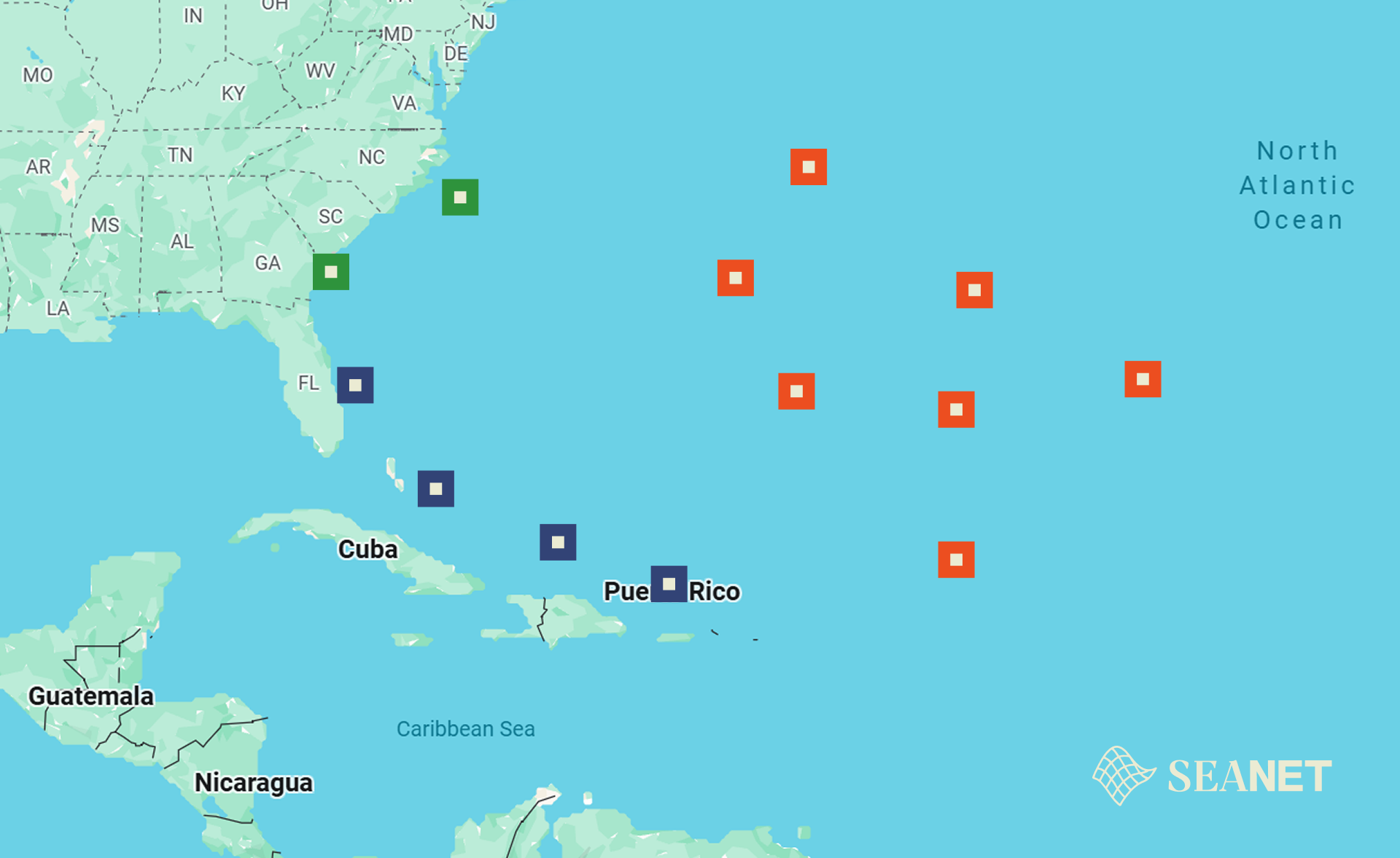
Explore a radar-like view of evolving plastic hotspots with overlays for currents, wind, and model confidence. Time-scrub from now to +5 days.

Technology

HOW SEANET WORKS

SeaNet is a powerful, scalable tool for tracking marine plastic pollution. Its main functions are to detect and locate macroplastics in near real-time and to forecast their movement over the coming days, much like a weather prediction system. Results are displayed on an interactive map similar to a meteoradar, allowing users to quickly identify emerging plastic hotspots.

SeaNet doesn’t stop at local predictions—it applies its models globally, creating a unified forecast system. The platform also calculates the surface area of plastic-affected zones, giving stakeholders actionable insights for planning clean-ups, assessing ecological risks, and supporting evidence-based decision-making.

Technology Behind SeaNet

SeaNet combines Blue-Cloud’s Marine Environmental Indicators VLab (VLab 2) with the Virtual Research Environment (VRE) to run particle-drift models seeded by detections. Using Sentinel-2 Level-2A satellite imageryprocessed in Google Earth Engine, the system applies masks and calculates indices such as FDI, NDPI, and NDWI to identify macroplastic patches. These detections are validated against hotspot studies and converted into polygons or centroids, which feed into short-term forecasts.

Innovative Insights

The system leverages VLab 2 for analytics and the VRE for reproducible simulations, while currents and wind fields from Blue-Cloud workbenches drive trajectory forecasts. Where relevant, outputs can integrate with EDITO for Europe’s Digital Twin Ocean.

With robust datasets—including Sentinel-2 imagery and Mediterranean hotspot studies—SeaNet offers a scientifically rigorous, scalable solution that bridges innovation, policy, and citizen engagement in tackling marine plastic pollution.
Data Flow

From Detection to Action

  1. Detect: Sentinel-2 L2A → masks & FDI/NDPI/NDWI → macroplastic cues.
  2. Validate: compare with hotspot studies → polygons/centroids.
  3. Forecast: seed particle drift models in Blue-Cloud VRE (VLab 2 core).
  4. Force: met-ocean data (currents & wind) from workbenches.
  5. Deliver: interactive “meteoradar” map + areas & confidence.
Abstract ocean currents

Outputs designed for alignment with EDITO and Europe’s Digital Twin Ocean.

Impact

FROM SIGNAL TO STRATEGY

By turning hidden threats into visible data, our real-time macroplastic tracking empowers scientists, cleanup teams, and communities to act where it matters most — protecting marine life and keeping oceans healthier.

Coastline
Author: Francis Perez
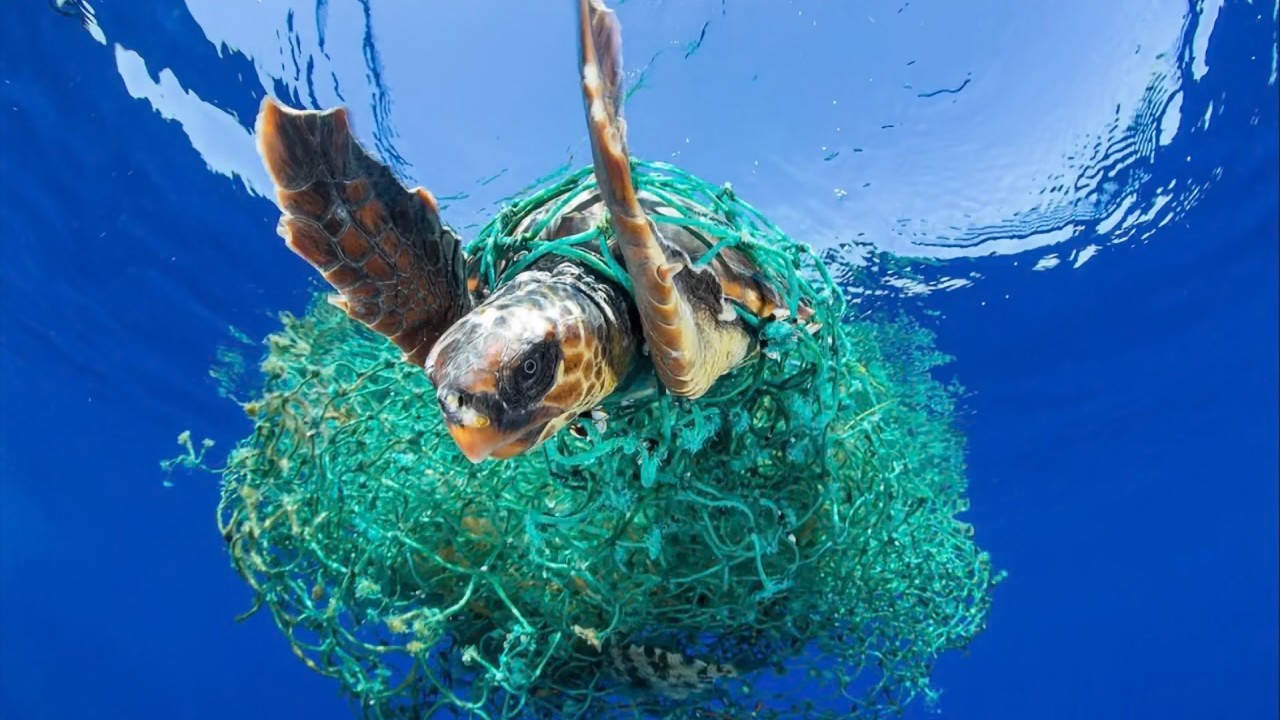
Ghosts into Warnings - Ghost Nets

Up to 10% of marine litter comes from lost fishing gear, which entangles and kills around 640,000 marine animals every year. Our real-time tracking database shows exactly where nets are drifting, helping cleanup teams act fast and save lives.

Open sea
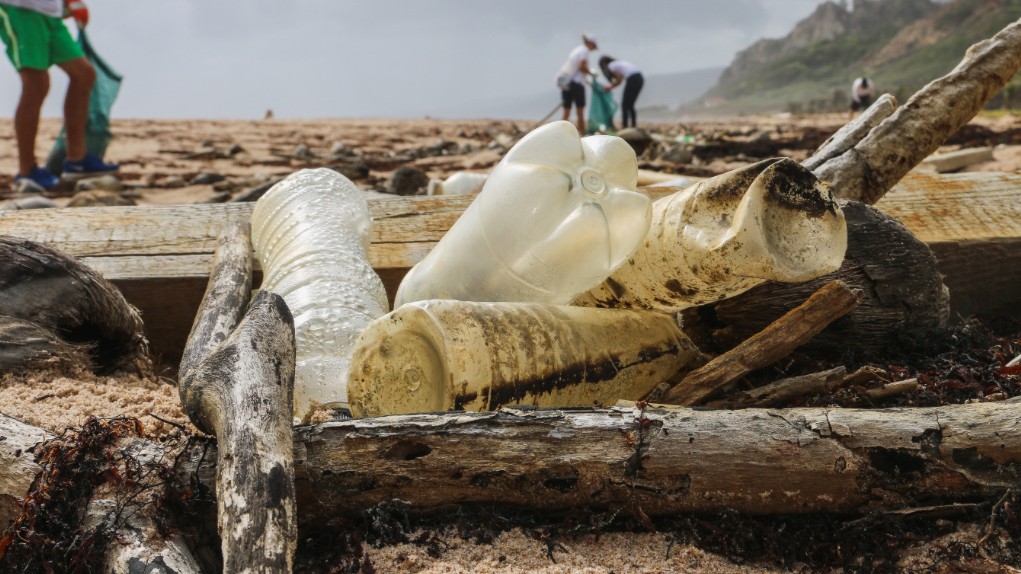
Uncovering the Everyday Flood - Plastic Bottles

More than 1 million plastic bottles are sold every minute, many ending up in rivers and oceans. We map hotspots so cleanup teams can act fast, making removals quicker and more efficient.

Beach view
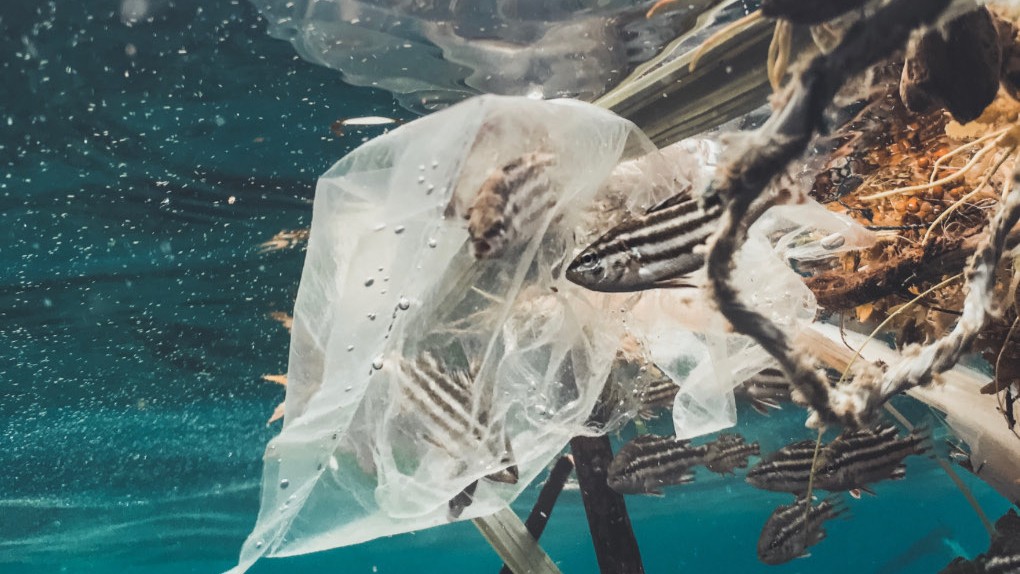
Wrappers: Small Pieces, Big Consequences

Wrappers rank among the top 10 coastal plastics and are often fatal when seabirds and turtles mistake them for food. Our system highlights where they cluster, saving scientists hours of searching. Removing just 10,000 wrappers could spare hundreds of seabirds from starvation.

Validation & Partners

Built with & for the ocean community.

Blue-Cloud logo EDITO logo Copernicus logo Google Earth Engine logo ESA logo
Video

WATCH THE SEANET OVERVIEW

Whitepaper

Dive deeper into the method

A short PDF outlining indices, validation strategy, and drift model settings. Versioned for reproducibility.

Download
Roadmap

FROM MVP TO GLOBAL COVERAGE

Q4 2025 — MVP pilot

Mediterranean pilot with weekly map refresh; validate indices vs. hotspot studies.

Q1 2026 — Web app & API

Public viewer, exportable GeoJSON, & programmatic endpoints.

Q2 2026 — EDITO alignment

Conform outputs for Digital Twin Ocean integration and skill dashboards.

H2 2026 — Scale

Global coverage & partnerships with ports, NGOs, and coastal cities.

Get involved

Pilot with SeaNet

We’re seeking coastal cities, NGOs, and research groups to co-design playbooks and verify model skill.

Join the pilot
Team

PEOPLE BEHIND SEANET

A compact team blending ocean science, remote sensing, and product design.

Member
Kristýna Říhová
Co-leader
Member
Albert Schwanzer
Co-leader, Business and Strategy
Member
David Nohejl
Developer
Member
Michal Branda
Chief Technology Officer
Member
Jan Cidlina
Designer
Member
Eduard Červinka
Developer
Member
Samuel Jancík
Business and Strategy